Tuesday, August 25, 2020

Famous How Much Sleep Should A College Student Get References

College Students and Sleep [Infographic] Sleep, Sleep health, College
College Students and Sleep [Infographic] Sleep, Sleep health, College from br.pinterest.com

Are you a college student struggling to get enough sleep? You're not alone. The demands of college life can often leave students feeling exhausted and overwhelmed. But how much sleep should a college student get? In this article, we will explore the recommended amount of sleep for college students and provide tips for getting better sleep.

College students often face numerous challenges when it comes to getting enough sleep. Between late-night studying, social activities, and part-time jobs, it can be difficult to prioritize sleep. However, lack of sleep can have serious consequences on academic performance, mental health, and overall well-being. It's important for college students to understand the importance of getting adequate rest.

So, how much sleep should a college student get? According to the National Sleep Foundation, young adults between the ages of 18 and 25 should aim for 7-9 hours of sleep per night. This may vary slightly depending on individual needs, but it's a good guideline to follow. Getting enough sleep can improve memory, concentration, and overall cognitive function.

In summary, college students should aim for 7-9 hours of sleep per night to ensure optimal academic performance and well-being. Prioritizing sleep may require making adjustments to your schedule and creating a bedtime routine. By taking steps to improve your sleep habits, you can set yourself up for success in college and beyond.

How Much Sleep Should a College Student Get: Personal Experience

During my time in college, I often struggled with getting enough sleep. I would stay up late studying for exams or hanging out with friends, and then struggle to stay awake in class the next day. It wasn't until I started prioritizing sleep that I noticed a significant improvement in my academic performance and overall well-being.

I started by setting a regular sleep schedule and sticking to it as much as possible. This meant going to bed and waking up at the same time every day, even on weekends. I also created a bedtime routine to signal to my body that it was time to sleep. This included activities like reading a book, taking a warm shower, and turning off electronic devices an hour before bed.

By making these changes, I was able to consistently get 7-9 hours of sleep each night. Not only did I feel more rested, but I also noticed improvements in my ability to focus and retain information. I was able to study more efficiently and perform better on exams.

It's important to remember that everyone's sleep needs are different, so it may take some trial and error to find the amount of sleep that works best for you. However, by prioritizing sleep and making it a non-negotiable part of your daily routine, you can set yourself up for success in college and beyond.

What is the Recommended Amount of Sleep for College Students?

The recommended amount of sleep for college students is 7-9 hours per night. This may vary slightly depending on individual needs and lifestyle factors, but it's a good guideline to follow. Getting enough sleep is essential for maintaining good physical and mental health, as well as optimal academic performance.

During sleep, the body undergoes important processes that support overall well-being. This includes cell regeneration, hormone regulation, and memory consolidation. Without enough sleep, these processes can be disrupted, leading to a variety of negative effects.

College students often face unique challenges when it comes to getting enough sleep. Late-night studying, social activities, and part-time jobs can all interfere with a regular sleep schedule. However, it's important to prioritize sleep and make it a non-negotiable part of your daily routine.

By getting enough sleep, you can improve your ability to concentrate, retain information, and perform well academically. It can also help regulate mood, reduce stress, and support overall mental well-being. Prioritizing sleep may require making adjustments to your schedule or creating a bedtime routine, but the benefits are well worth it.

The History and Myth of How Much Sleep Should a College Student Get

The topic of how much sleep a college student should get has been a subject of interest for many years. Throughout history, various beliefs and myths have surrounded the ideal amount of sleep for individuals, including college students.

In ancient times, it was believed that sleep was a time for the body and mind to rest and rejuvenate. Many cultures valued sleep and recognized its importance for overall health and well-being. However, the specific recommendations for how much sleep one should get varied across cultures and time periods.

In more recent history, scientists and researchers have conducted studies to better understand the optimal amount of sleep for different age groups, including college students. These studies have helped establish the recommended range of 7-9 hours of sleep per night for young adults.

Despite the scientific consensus on the importance of sleep, there are still many myths and misconceptions surrounding the topic. One common myth is that college students can function well on minimal sleep or pull all-nighters to catch up on missed sleep. However, research has shown that chronic sleep deprivation can have serious consequences on cognitive function, mental health, and overall well-being.

It's important to separate fact from fiction when it comes to how much sleep a college student should get. The recommended range of 7-9 hours is based on scientific evidence and should be prioritized for optimal academic performance and well-being.

The Hidden Secret of How Much Sleep Should a College Student Get

The hidden secret of how much sleep a college student should get is that it directly impacts academic performance and overall well-being. Many students underestimate the importance of sleep and prioritize other activities over rest. However, research has consistently shown that lack of sleep can have negative effects on cognitive function, memory, and mental health.

One of the hidden secrets is that sleep plays a crucial role in memory consolidation. During sleep, the brain processes and stores information learned during the day, helping to improve recall and retention. This is especially important for college students who need to retain large amounts of information for exams and assignments.

Additionally, sleep deprivation has been linked to increased stress levels and a higher risk of mental health issues such as anxiety and depression. Lack of sleep can also impair judgment, decision-making, and problem-solving abilities, which are important skills for success in college and beyond.

By prioritizing sleep and making it a non-negotiable part of your routine, you can unlock the hidden secret of how much sleep a college student should get. Consistently getting 7-9 hours of sleep per night can improve academic performance, mental health, and overall well-being.

Recommendations for How Much Sleep Should a College Student Get

Based on the recommended range of 7-9 hours of sleep per night for college students, here are some recommendations for improving sleep:

1. Establish a regular sleep schedule: Go to bed and wake up at the same time every day, even on weekends.

Sleep Schedule

2. Create a bedtime routine: Engage in relaxing activities before bed, such as reading a book or taking a warm bath.

Bedtime Routine

3. Create a sleep-friendly environment: Make sure your bedroom is dark, quiet, and at a comfortable temperature.

Sleep Environment

4. Limit caffeine and electronic devices: Avoid consuming caffeine or using electronic devices close to bedtime, as they can interfere with sleep.

Limit Caffeine

5. Manage stress: Practice stress management techniques, such as deep breathing exercises or meditation, to help relax before bed.

Manage Stress

By following these recommendations, you can improve your sleep quality and ensure you're getting enough rest to support your academic success and overall well-being.

How Much Sleep Should a College Student Get: Explained in Detail

Getting enough sleep is essential for college students to perform their best academically and maintain good physical and mental health. Here's a more detailed explanation of why sleep is important and how much sleep a college student should get:

1. Cognitive function: Sleep plays a crucial role in cognitive function, including memory, attention, and problem-solving abilities. Adequate sleep allows the brain to consolidate information learned during the day, leading to better recall and retention.

2. Academic performance: Research has consistently shown that lack of sleep can negatively impact academic performance. Sleep deprivation can impair concentration, creativity, and critical thinking skills, making it harder to study effectively and perform well on exams.

3. Mental health: Sleep and mental health are closely intertwined. Lack of sleep has been linked to an increased risk of mental health issues such as anxiety and depression. On the other hand, prioritizing sleep can help regulate mood, reduce stress, and improve overall mental well-being.

4. Physical health: Sleep is essential for physical health as well. During sleep, the body repairs and rejuvenates itself, supporting immune function, hormone regulation, and overall well-being. Chronic sleep deprivation has been linked to an increased risk of various health conditions, including obesity, diabetes, and cardiovascular disease.

Based on these factors, the recommended amount of sleep for college students is 7-9 hours per night. This range allows for optimal cognitive function, academic performance, and overall well-being. However, it's important to note that individual sleep needs may vary slightly, so it

Famous What Is A Bfa In College 2023

BFA Entrance Coaching Classes in Delhi,BFA Coaching Institute in Delhi
BFA Entrance Coaching Classes in Delhi,BFA Coaching Institute in Delhi from bfaentrance.com

Are you considering pursuing a Bachelor of Fine Arts (BFA) degree in college? If so, you're in the right place. In this article, we'll dive into what a BFA in college entails, the benefits it offers, and how it can help you pursue a career in the arts. Whether you're passionate about painting, sculpture, theater, or any other artistic discipline, a BFA can provide you with the necessary skills and knowledge to succeed in your chosen field.

Many aspiring artists and performers often wonder what a BFA in college can offer them. They may have concerns about the practicality and viability of pursuing an arts degree. However, a BFA program provides students with a comprehensive education that includes both practical and theoretical training. It equips students with the technical skills, artistic vision, and critical thinking abilities needed to excel in their chosen artistic disciplines.

So, what exactly is a BFA in college? A BFA is a specialized undergraduate degree that focuses on the study of visual or performing arts. It typically takes four years to complete and includes a combination of studio courses, art history classes, and general education requirements. Students in a BFA program have the opportunity to develop their artistic skills through hands-on studio work, engage with art history and theory, and explore various artistic techniques and mediums.

My Personal Experience with a BFA in College

As a student pursuing a BFA in college, I had the opportunity to immerse myself in my chosen artistic discipline. The studio courses provided me with the chance to experiment with different mediums and techniques, allowing me to refine my skills and develop my unique artistic style. The art history classes deepened my understanding of the historical and cultural context of art, providing me with valuable insights that influenced my own artistic practice.

Moreover, the BFA program offered numerous opportunities for collaboration and critique. I had the chance to work alongside fellow artists, exchanging ideas and receiving feedback on my work. This collaborative environment fostered a sense of community and allowed me to grow both as an artist and as an individual.

Additionally, the BFA program encouraged me to explore interdisciplinary approaches to art. I had the freedom to experiment with different art forms and mediums, which expanded my artistic horizons and inspired new ideas. This interdisciplinary approach enriched my artistic practice and allowed me to create more meaningful and impactful artwork.

What is a BFA in College?

A BFA in college is a specialized undergraduate degree that focuses on the study of visual or performing arts. It provides students with a comprehensive education that includes both practical and theoretical training. In a BFA program, students have the opportunity to develop their artistic skills through hands-on studio work, engage with art history and theory, and explore various artistic techniques and mediums.

Within a BFA program, students can choose to specialize in a specific artistic discipline, such as painting, sculpture, photography, theater, dance, or graphic design. This specialization allows students to delve deeper into their chosen field and develop a strong foundation in their artistic practice.

Throughout the BFA program, students are encouraged to explore their creativity, experiment with different techniques and mediums, and develop their unique artistic voice. They receive personalized guidance and feedback from experienced faculty members, who are professional artists themselves. This mentorship helps students refine their skills, expand their artistic horizons, and develop a portfolio of work that showcases their artistic abilities.

Why Pursue a BFA in College?

There are several compelling reasons to pursue a BFA in college. Firstly, a BFA provides students with the opportunity to immerse themselves in their chosen artistic discipline. It allows them to dedicate significant time and effort to honing their skills and developing their artistic voice. This level of focused study is essential for artistic growth and can significantly impact future career opportunities.

Secondly, a BFA program offers a supportive and collaborative environment. Students have the opportunity to work alongside fellow artists, exchange ideas, and receive valuable feedback on their work. This sense of community fosters growth, creativity, and a deeper understanding of one's artistic practice.

Furthermore, a BFA in college provides students with the necessary technical skills, artistic vision, and critical thinking abilities to succeed in their chosen field. The combination of studio courses, art history classes, and general education requirements ensures a well-rounded education that prepares students for the challenges and opportunities that lie ahead.

In conclusion, pursuing a BFA in college can be a transformative experience for aspiring artists and performers. It provides a comprehensive education, fosters artistic growth and collaboration, and equips students with the skills and knowledge needed to pursue a successful career in the arts. So, if you're passionate about the arts and eager to develop your artistic abilities, a BFA in college may be the perfect path for you.

Monday, August 24, 2020

The Best How To Transition To An Hr Career Ideas

How Career Transition Services Make a Difference Newland Associates
How Career Transition Services Make a Difference Newland Associates from www.newland-associates.com

Are you looking to make a career transition to HR? If so, you're not alone. Many professionals are seeking new opportunities in the field of human resources. Whether you're currently in a different industry or looking to switch roles within HR, this article will provide you with valuable insights and tips on how to successfully transition to an HR career.

Transitioning to a new career can be challenging, especially when it comes to HR. There may be a number of pain points that you'll encounter along the way. These could include a lack of relevant experience, difficulty in finding the right job opportunities, or a need for additional education or certifications. However, with the right approach and mindset, these challenges can be overcome.

One of the first steps in transitioning to an HR career is to gain a solid understanding of the field and its requirements. This may involve conducting research, networking with professionals in the industry, and obtaining relevant certifications or degrees. By familiarizing yourself with the skills and qualifications needed for HR roles, you'll be better equipped to take the necessary steps towards your career transition.

In summary, transitioning to an HR career requires careful planning and preparation. It's important to understand the field and its requirements, as well as to address any potential pain points that may arise. By taking the time to gain the necessary knowledge and skills, you'll be on your way to a successful transition.

How to Transition to an HR Career: A Personal Experience

When I decided to transition to an HR career, I knew that I needed to take a strategic approach. I began by researching the field and identifying the skills and qualifications that employers were looking for. I then enrolled in an HR certification program to further enhance my knowledge and credentials.

During my transition, I faced some challenges. One of the main pain points was the lack of HR experience on my resume. To overcome this, I took on volunteer opportunities and internships in HR departments to gain practical experience. These experiences not only helped me build my resume but also allowed me to network with professionals in the field.

Additionally, I attended HR networking events and joined professional HR organizations to expand my network and stay up-to-date with industry trends. This proved to be invaluable in my career transition, as I was able to connect with HR professionals who provided guidance and mentorship.

Overall, transitioning to an HR career requires a combination of education, experience, and networking. By taking a proactive approach and actively seeking opportunities to gain knowledge and skills in the field, you'll be well on your way to a successful transition.

What is Transitioning to an HR Career?

Transitioning to an HR career involves shifting from a different industry or role to a career in human resources. This can be a challenging process, as it often requires gaining new skills and qualifications, as well as building a network within the HR field.

One of the key aspects of transitioning to an HR career is understanding the core responsibilities and functions of HR professionals. This includes areas such as recruitment, employee relations, training and development, and HR policies and procedures.

In order to successfully transition to an HR career, it's important to gain relevant experience and credentials. This may involve obtaining certifications such as the Professional in Human Resources (PHR) or the Society for Human Resource Management Certified Professional (SHRM-CP) designation. Additionally, gaining practical experience through internships or volunteer opportunities can greatly enhance your chances of success in the field.

Transitioning to an HR career requires a combination of education, experience, and networking. By taking the necessary steps and investing in your professional development, you'll be well-positioned to make a successful transition.

The History and Myth of Transitioning to an HR Career

The field of human resources has evolved significantly over the years. In the past, HR roles were often seen as administrative in nature, focusing primarily on tasks such as payroll and benefits administration. However, in recent years, the role of HR has expanded to encompass strategic functions such as talent management and organizational development.

There is a common myth that transitioning to an HR career is only possible for those with a background in HR or a related field. However, this is not necessarily the case. Many professionals from diverse backgrounds have successfully transitioned to HR roles by leveraging their transferable skills and gaining the necessary knowledge and credentials.

While it may require some additional effort and education, transitioning to an HR career is definitely achievable. By staying informed about industry trends and best practices, as well as actively seeking opportunities to gain relevant experience, you can overcome any perceived barriers and make a successful transition to an HR career.

The Hidden Secret of Transitioning to an HR Career

One of the hidden secrets of transitioning to an HR career is the power of networking. Building a strong professional network can open doors to job opportunities and provide valuable guidance and support throughout your career transition.

There are several ways to network in the HR field. Attending industry conferences and events, joining professional HR organizations, and connecting with HR professionals on social media platforms such as LinkedIn are all effective strategies for building your network.

Additionally, don't be afraid to reach out to HR professionals for informational interviews or mentorship. Many professionals are willing to share their experiences and offer guidance to those looking to transition to an HR career.

By actively networking and building relationships within the HR field, you'll increase your chances of finding job opportunities and receiving support and guidance throughout your career transition.

Recommendations for Transitioning to an HR Career

If you're looking to transition to an HR career, here are some recommendations to help you along the way:

1. Research the field: Take the time to understand the core responsibilities and functions of HR professionals. This will help you determine if a career in HR is the right fit for you.

2. Gain relevant education and experience: Consider enrolling in an HR certification program or obtaining a degree in HR. Additionally, seek out opportunities for practical experience through internships or volunteer work.

3. Network: Attend HR conferences and events, join professional HR organizations, and connect with HR professionals on social media. Building a strong network can provide valuable support and guidance throughout your career transition.

4. Stay informed: Keep up-to-date with industry trends and best practices by reading HR publications, attending webinars, and participating in professional development opportunities.

By following these recommendations, you'll be well-prepared to make a successful transition to an HR career.

Transitioning to an HR Career: Skills and Qualifications

In order to successfully transition to an HR career, it's important to have a combination of skills and qualifications. Some of the key skills that employers look for in HR professionals include:

- Strong communication and interpersonal skills

- Problem-solving and decision-making abilities

- Knowledge of employment laws and regulations

- Ability to handle confidential information with discretion

- Attention to detail and organizational skills

In terms of qualifications, many employers require a minimum of a bachelor's degree in HR or a related field. Additionally, obtaining certifications such as the Professional in Human Resources (PHR) or the Society for Human Resource Management Certified Professional (SHRM-CP) designation can greatly enhance your chances of success in the field.

By developing these skills and obtaining the necessary qualifications, you'll be well-equipped to make a successful transition to an HR career.

Tips for Transitioning to an HR Career

If you're considering a transition to an HR career, here are some tips to help you along the way:

1. Gain relevant experience: Look for opportunities to gain practical experience in HR through internships, volunteer work, or part-time roles. This will help you build your resume and demonstrate your commitment to the field.

2. Network: Connect with HR professionals through networking events, industry conferences, and professional HR organizations. Building relationships in the field can provide valuable guidance and support throughout your career transition.

3. Obtain relevant certifications: Consider obtaining certifications such as the Professional in Human Resources (PHR) or the Society for Human Resource Management Certified Professional (SHRM-CP) designation. These certifications can demonstrate your knowledge and commitment to the field.

4. Stay informed: Keep up-to-date with industry trends and best practices by reading HR publications, attending webinars, and participating in professional development opportunities.

By following these tips, you'll be well-prepared to make a successful transition to an HR career.

Question and Answer: Transitioning to an HR Career

Q: Can I transition to an HR career without any prior experience?

A: While prior experience in HR can be beneficial, it is possible to transition to an HR career without any prior experience. Gaining relevant education, certifications, and practical experience can help you overcome any lack of experience on your resume.

Q: How long does it take to transition to an HR career?

A: The length of time it takes to transition to an HR career can vary depending on individual circumstances. Factors such as prior experience, education, and networking efforts can all impact the timeline. However, with dedication and persistence, it is possible to make a successful transition within a reasonable timeframe.

Q: Do I need a degree in HR to transition to an HR career?

A: While a degree in HR or a related field can be beneficial, it

The Best How To Change Difficulty In Fifa 22 Career Mode 2023

First FIFA 22 Details Revealed New Features For Career Mode & Pro Clubs
First FIFA 22 Details Revealed New Features For Career Mode & Pro Clubs from www.fifa-infinity.com

Are you tired of playing FIFA 22 career mode on the same difficulty level? Do you want to challenge yourself and experience a different level of gameplay? Well, you're in luck! In this article, we will explore how to change the difficulty in FIFA 22 career mode, allowing you to customize your gaming experience and take on new challenges.

One of the pain points that many FIFA 22 players face is the lack of control over the difficulty level in career mode. The game automatically sets the difficulty based on your performance, which can sometimes lead to frustratingly easy or impossibly difficult matches. This can take away from the overall enjoyment of the game and make it feel less immersive.

So, how can you change the difficulty in FIFA 22 career mode? It's actually quite simple. When starting a new career or loading an existing one, go to the settings menu and select "Game Settings." From there, navigate to the "Difficulty" option and choose the level that suits your preferences. You can select from several difficulty options, ranging from beginner to legendary. Once you've made your selection, save the settings and start your career.

In summary, changing the difficulty in FIFA 22 career mode is a straightforward process that allows you to tailor your gaming experience to your skill level and preferences. By following a few simple steps, you can challenge yourself and make the game more enjoyable.

How to Change Difficulty in FIFA 22 Career Mode - A Step-by-Step Guide

Changing the difficulty in FIFA 22 career mode is a simple process that can be done in just a few steps. Here's a step-by-step guide to help you through the process:

Step 1: Start a new career or load an existing one in FIFA 22 career mode.

Step 2: Go to the settings menu by clicking on the gear icon in the top right corner of the screen.

Step 3: In the settings menu, select "Game Settings."

Step 4: Navigate to the "Difficulty" option and click on it.

Step 5: Choose the difficulty level that you want to play on. The options range from beginner to legendary.

Step 6: Once you've selected the desired difficulty level, save the settings and exit the menu.

Step 7: Start your career and enjoy playing FIFA 22 on your chosen difficulty level!

What is Difficulty in FIFA 22 Career Mode?

The difficulty in FIFA 22 career mode refers to the level of challenge that you will face while playing the game. It determines how skilled and adaptive the AI opponents will be, as well as the overall gameplay experience. Choosing a higher difficulty level will result in more challenging matches, while selecting a lower difficulty level will make the game easier.

In FIFA 22, there are several difficulty options to choose from, including beginner, amateur, semi-pro, professional, world class, and legendary. Each level offers a different level of challenge and requires varying levels of skill and strategy to succeed.

It's important to note that the difficulty level can affect various aspects of the game, such as the AI's decision-making, player attributes, and the overall flow of the match. Therefore, it's essential to choose a difficulty level that matches your skill level and provides an enjoyable gaming experience.

The History and Myth of Difficulty in FIFA 22 Career Mode

Throughout the history of FIFA games, the difficulty level in career mode has been a topic of discussion among players. Some believe that the AI opponents are too easy to beat on lower difficulty levels, while others argue that the higher difficulty levels are too challenging and unrealistic.

There is a myth among FIFA players that changing the difficulty level in career mode can significantly impact the gameplay and the outcome of matches. Some believe that playing on a higher difficulty level will result in more realistic and challenging matches, while others think that it may lead to unfair advantages for the AI opponents.

However, it's important to note that the difficulty level in FIFA 22 career mode is designed to provide a balanced and enjoyable gaming experience. The AI opponents are programmed to adapt to the player's skill level, ensuring that the matches are challenging but not impossible to win. Ultimately, the choice of difficulty level comes down to personal preference and the level of challenge that you're comfortable with.

The Hidden Secret of Difficulty in FIFA 22 Career Mode

While there may not be any hidden secrets or cheats related to changing the difficulty in FIFA 22 career mode, there are a few tips and tricks that can help you succeed on higher difficulty levels. Here are some hidden secrets to keep in mind:

1. Focus on team chemistry: Building strong team chemistry can greatly enhance your chances of success on higher difficulty levels. Make sure to sign players with compatible play styles and invest in team-building activities.

2. Practice set pieces: Set pieces, such as free kicks and corners, can be a great way to score goals on higher difficulty levels. Spend some time practicing these skills to become more proficient.

3. Analyze the AI's weaknesses: The AI opponents in FIFA 22 have specific weaknesses that you can exploit. Pay attention to their playing style and find ways to capitalize on their vulnerabilities.

4. Make use of the training feature: FIFA 22 includes a training feature that allows you to improve your players' skills and attributes. Take advantage of this feature to boost your team's overall performance.

Recommendations for Difficulty in FIFA 22 Career Mode

When it comes to choosing the difficulty level in FIFA 22 career mode, it's important to find a balance that provides a challenge without being overly frustrating. Here are some recommendations to help you make the right choice:

1. Start with a lower difficulty level: If you're new to FIFA 22 or career mode, it's advisable to start with a lower difficulty level, such as amateur or semi-pro. This will allow you to familiarize yourself with the gameplay mechanics and gradually increase the challenge as you improve.

2. Experiment with different difficulty levels: Don't be afraid to try out different difficulty levels to find the one that suits your skill level and preferences. Remember, the goal is to have fun and enjoy the game, so choose a difficulty level that provides a satisfying gaming experience.

3. Adjust the difficulty level as needed: As you progress in your career mode and become more comfortable with the gameplay, you may find that the current difficulty level is no longer challenging enough. In such cases, don't hesitate to increase the difficulty level to keep the game exciting and engaging.

How to Change Difficulty in FIFA 22 Career Mode - A Detailed Explanation

Changing the difficulty level in FIFA 22 career mode is a simple process that can be done in just a few steps. Here's a detailed explanation of how to do it:

Step 1: Start FIFA 22 and navigate to the main menu.

Step 2: Select "Career Mode" from the menu options.

Step 3: Choose whether you want to start a new career or load an existing one.

Step 4: Once you've selected your career mode, navigate to the settings menu.

Step 5: In the settings menu, look for the "Game Settings" option and click on it.

Step 6: Find the "Difficulty" option in the game settings menu and click on it.

Step 7: Choose the difficulty level that you want to play on. You can select from beginner, amateur, semi-pro, professional, world class, and legendary.

Step 8: Save the settings and exit the menu.

Step 9: Start your career and enjoy playing FIFA 22 on your chosen difficulty level!

Tips for Changing Difficulty in FIFA 22 Career Mode

Changing the difficulty level in FIFA 22 career mode can have a significant impact on your gaming experience. Here are some tips to help you make the most out of this feature:

1. Experiment with different difficulty levels: Don't be afraid to try out different difficulty levels to find the one that provides the right balance of challenge and enjoyment for you.

2. Take advantage of the training feature: FIFA 22 includes a training feature that allows you to improve your players' skills and attributes. Use this feature to enhance your team's performance on higher difficulty levels.

3. Focus on team management: Building a strong team with good chemistry is crucial for success in FIFA 22 career mode. Pay attention to player transfers, team tactics, and training to maximize your team's potential.

4. Analyze your opponents: Each AI opponent in FIFA 22 has its own playing style and weaknesses. Take the time to study your opponents and adjust your tactics accordingly to gain an advantage.

Conclusion of How to Change Difficulty in FIFA 22 Career Mode

In conclusion, changing the difficulty in FIFA 22 career mode is a simple process that allows you to customize your gaming experience and take on new challenges. By

Sunday, August 23, 2020

Incredible Robert Perkins Canoe 2023

Robert "Bob" Perkins Obituary
Robert "Bob" Perkins Obituary from funeralinnovations.com

Imagine gliding through tranquil waters, surrounded by breathtaking scenery and the soothing sounds of nature. This is the experience that Robert Perkins Canoe offers to adventurers seeking a unique and immersive outdoor experience. Whether you are an avid canoeist or a novice looking to try something new, Robert Perkins Canoe is the perfect choice for your next adventure.

For those who crave the serenity of nature but find themselves overwhelmed by the logistics of planning a camping trip, Robert Perkins Canoe provides a hassle-free solution. With their expert guides and well-maintained canoes, you can focus on enjoying the journey without the stress of organizing equipment or navigating unfamiliar terrain. This allows you to fully immerse yourself in the beauty of your surroundings and truly disconnect from the demands of everyday life.

So, what exactly is Robert Perkins Canoe? It is an outdoor adventure company that specializes in guided canoe trips through some of the most stunning waterways in the world. From tranquil lakes to winding rivers, their expert guides will lead you on an unforgettable journey, sharing their knowledge and passion for the natural world along the way.

Exploring the Wilderness with Robert Perkins Canoe

Picture this: you're gliding through crystal-clear waters, the sun warming your face as you navigate the gentle currents. The air is filled with the scent of pine and the sounds of birdsong. With Robert Perkins Canoe, you can experience this idyllic scene firsthand. Their guided trips take you deep into the heart of nature, allowing you to disconnect from the chaos of modern life and reconnect with yourself and the natural world.

But Robert Perkins Canoe is more than just a canoe trip. It is an opportunity to learn about the ecosystems you are exploring and gain a deeper understanding of the delicate balance of nature. Their knowledgeable guides will share fascinating insights about the flora and fauna you encounter, enhancing your experience and leaving you with a newfound appreciation for the natural world.

The History and Mythology of the Robert Perkins Canoe

The history of the canoe dates back thousands of years, with indigenous peoples using these vessels for transportation, trade, and even warfare. The canoe has become a symbol of adventure and exploration, and Robert Perkins Canoe continues this rich tradition by offering unforgettable journeys through stunning waterways.

In myth and legend, the canoe often represents a journey of self-discovery and transformation. It is a vessel that carries us from one realm to another, allowing us to explore new horizons and embrace the unknown. With Robert Perkins Canoe, you have the opportunity to embark on your own personal journey, leaving behind the familiar and venturing into the unknown.

The Hidden Secrets of Robert Perkins Canoe

While the beauty of the natural world is no secret, Robert Perkins Canoe offers a unique perspective that many may not have considered. By exploring waterways that are only accessible by canoe, you have the opportunity to discover hidden gems that are off the beaten path. From secluded beaches to hidden caves, these hidden secrets add an element of excitement and discovery to your journey.

But the true hidden secret of Robert Perkins Canoe is the sense of freedom and connection that comes from immersing yourself in nature. In a world that is constantly connected and busy, taking the time to disconnect and reconnect with the natural world is a gift that should not be underestimated.

Recommendation for Robert Perkins Canoe

If you are considering embarking on a canoe trip with Robert Perkins Canoe, I highly recommend it. Not only will you have the opportunity to explore stunning waterways and connect with nature, but you will also be guided by knowledgeable and passionate guides who are dedicated to providing a memorable experience. Whether you are a seasoned canoeist or a novice looking to try something new, Robert Perkins Canoe offers trips that cater to all skill levels.

Experience the Magic of Robert Perkins Canoe and Related Keywords

Embarking on a canoe trip with Robert Perkins Canoe is a truly magical experience. From the moment you step into the canoe and push off from the shore, you are transported to a world of tranquility and beauty. The gentle rhythm of paddling, the sounds of nature, and the breathtaking scenery create a sense of peace and serenity that is hard to find in our fast-paced world.

Tips for a Successful Robert Perkins Canoe Adventure

1. Pack light: When embarking on a canoe trip, space is limited. Pack only the essentials and leave unnecessary items behind.

2. Dress appropriately: Be sure to dress in layers and bring rain gear, as weather conditions can change quickly on the water.

3. Stay hydrated: Always bring plenty of water with you on your canoe trip to stay hydrated throughout the day.

4. Listen to your guide: The guides at Robert Perkins Canoe are experienced and knowledgeable. Listen to their instructions and follow their lead for a safe and enjoyable journey.

Fun Facts about Robert Perkins Canoe

- Robert Perkins Canoe has been offering guided canoe trips for over 20 years, making them experts in their field.

- They have a fleet of well-maintained canoes that are suitable for all skill levels, ensuring a comfortable and enjoyable experience for all participants.

- Robert Perkins Canoe has received numerous accolades and positive reviews from satisfied customers, further solidifying their reputation as a top-notch outdoor adventure company.

How to Robert Perkins Canoe and Related Keywords

Embarking on a canoe trip with Robert Perkins Canoe is easy. Simply visit their website, browse their available trips, and choose the one that best suits your preferences and skill level. Once you have booked your trip, their team will provide you with all the necessary information and equipment to ensure a smooth and enjoyable adventure.

What if Robert Perkins Canoe

If you are unable to join a guided trip with Robert Perkins Canoe, you can still enjoy the beauty of canoeing on your own. Simply rent a canoe from a local outfitter or outdoor equipment store and explore the waterways near you. Just be sure to familiarize yourself with local regulations and safety guidelines before setting out on your own.

Listicle of Robert Perkins Canoe

1. 10 Stunning Waterways to Explore with Robert Perkins Canoe 2. 5 Essential Items to Pack for Your Robert Perkins Canoe Adventure 3. The Benefits of Disconnecting and Reconnecting with Nature on a Robert Perkins Canoe Trip 4. How Robert Perkins Canoe Can Help You Embrace the Spirit of Adventure

Question and Answer

Q: Are Robert Perkins Canoe trips suitable for beginners?

A: Absolutely! Robert Perkins Canoe offers trips that cater to all skill levels, including beginners. Their knowledgeable guides will provide instruction and support to ensure a safe and enjoyable experience for everyone.

Q: Do I need to have previous canoeing experience to join a trip with Robert Perkins Canoe?

A: No previous canoeing experience is required. The guides at Robert Perkins Canoe will provide instruction and support throughout the trip, making it accessible to beginners and experienced canoeists alike.

Q: What should I bring on a canoe trip with Robert Perkins Canoe?

A: It is recommended to bring a water bottle, sunscreen, hat, sunglasses, insect repellent, and a change of clothes in case you get wet. Robert Perkins Canoe will provide all necessary canoeing equipment.

Q: Are meals included in the guided trips with Robert Perkins Canoe?

A: Meals are typically not included in the guided trips with Robert Perkins Canoe. However, they can provide recommendations for local restaurants or arrange for meals to be included for an additional fee.

Conclusion of Robert Perkins Canoe

In conclusion, Robert Perkins Canoe offers a unique and immersive outdoor experience for adventurers of all skill levels. Whether you are seeking tranquility, a connection to nature, or a sense of adventure, a canoe trip with Robert Perkins Canoe is sure to exceed your expectations. So grab a paddle, hop in a canoe, and embark on a journey of a lifetime with Robert Perkins Canoe.

Famous Upper Iowa Canoe Rental 2023

Kayaking on the Upper Iowa River Life on the farm
Kayaking on the Upper Iowa River Life on the farm from insulatedoverall.com

Are you looking for a thrilling adventure on the water? Look no further than Upper Iowa Canoe Rental! Whether you're a seasoned paddler or a beginner, Upper Iowa Canoe Rental offers a variety of options to suit your needs. From short trips to multi-day excursions, you'll find the perfect way to explore the beautiful Upper Iowa River.

When it comes to planning a canoe trip, there can be a few pain points to consider. Finding a reliable rental service, choosing the right route, and ensuring you have all the necessary equipment can be overwhelming. But with Upper Iowa Canoe Rental, you can put your worries aside. They provide top-quality canoes and equipment, knowledgeable staff to help you plan your trip, and a variety of routes to choose from.

If you're wondering who the target audience for Upper Iowa Canoe Rental is, the answer is simple – anyone who loves the outdoors! Whether you're a solo traveler, a family looking for a fun activity, or a group of friends seeking adventure, Upper Iowa Canoe Rental has something for everyone. The calm waters of the Upper Iowa River make it suitable for all skill levels, so even if you've never canoed before, you can still enjoy this experience.

In conclusion, Upper Iowa Canoe Rental is the perfect choice for anyone looking to have an unforgettable adventure on the water. With their reliable service, wide range of routes, and top-quality equipment, you can relax and enjoy the beauty of the Upper Iowa River. So grab your paddle and get ready for an adventure you won't soon forget!

Upper Iowa Canoe Rental: Exploring the Beauty of the River

When I first heard about Upper Iowa Canoe Rental, I was immediately intrigued. I had always wanted to try canoeing, and the idea of exploring the scenic Upper Iowa River sounded like the perfect way to spend a weekend. So, I gathered a group of friends and we embarked on our adventure.

As we arrived at Upper Iowa Canoe Rental, we were greeted by friendly staff who helped us choose the right canoes and provided us with all the necessary equipment. They even gave us a map of the river and recommended the best route for our skill level.

Once we were on the water, it was like stepping into a different world. The peacefulness of the river, surrounded by lush greenery and wildlife, was truly breathtaking. We paddled along at our own pace, taking in the sights and sounds of nature.

Along the way, we encountered a few rapids, which added an extra element of excitement to our trip. The canoes provided by Upper Iowa Canoe Rental were stable and easy to maneuver, making it a fun and exhilarating experience for all of us.

After a day of paddling, we set up camp on the riverbank and enjoyed a delicious meal cooked over an open fire. As the sun set, we gathered around the campfire, sharing stories and laughter under the starry sky.

Our weekend with Upper Iowa Canoe Rental was truly unforgettable. It was a chance to disconnect from the busyness of everyday life and reconnect with nature. We left feeling refreshed, rejuvenated, and already planning our next trip.

What is Upper Iowa Canoe Rental?

Upper Iowa Canoe Rental is a company that provides canoe rental services on the Upper Iowa River. They offer a range of options, from short day trips to multi-day camping adventures. With their top-quality canoes and equipment, knowledgeable staff, and scenic routes, they ensure a memorable experience for all their customers.

The Upper Iowa River is known for its calm waters, making it suitable for all skill levels. Whether you're a beginner or an experienced paddler, you can enjoy this beautiful river and all it has to offer.

When you rent a canoe from Upper Iowa Canoe Rental, you'll receive all the necessary equipment, including paddles and life jackets. They also provide transportation to and from the river, so you don't have to worry about logistics.

Exploring the Upper Iowa River by canoe is a unique way to experience the beauty of nature. As you paddle along, you'll have the opportunity to spot wildlife, admire the stunning landscapes, and immerse yourself in the tranquility of the river.

The History and Myth of Upper Iowa Canoe Rental

Throughout history, canoes have played a significant role in the lives of many cultures around the world. They were used for transportation, fishing, and even warfare. The Upper Iowa River has its own rich history, with evidence of human habitation dating back thousands of years.

According to Native American legend, the Upper Iowa River was created by a powerful spirit who wanted to provide a place of peace and tranquility for the people. It is said that the spirit carved the riverbed with its own hands, creating a path for canoes to navigate through the wilderness.

Over the years, the Upper Iowa River has been a source of inspiration for artists, writers, and outdoor enthusiasts. Its scenic beauty and abundant wildlife have made it a popular destination for canoeing and camping.

Today, Upper Iowa Canoe Rental continues the tradition of exploring the river and sharing its beauty with others. They are committed to preserving the natural environment and ensuring that future generations can continue to enjoy this special place.

The Hidden Secrets of Upper Iowa Canoe Rental

While the Upper Iowa River is a popular destination for outdoor enthusiasts, there are still some hidden secrets to be discovered. One of these secrets is the abundance of wildlife that can be found along the riverbanks.

As you paddle down the river, keep an eye out for bald eagles soaring overhead, deer grazing in the meadows, and turtles sunning themselves on logs. If you're lucky, you may even catch a glimpse of a river otter or a beaver going about their daily activities.

Another hidden secret of Upper Iowa Canoe Rental is the variety of routes available. While the main route is well-known and offers beautiful scenery, there are also lesser-known routes that lead to hidden gems. These routes often have fewer paddlers, allowing for a more peaceful and secluded experience.

Exploring these hidden secrets is part of what makes canoeing with Upper Iowa Canoe Rental so special. It's a chance to connect with nature, discover new places, and create memories that will last a lifetime.

Recommendation for Upper Iowa Canoe Rental

If you're considering a canoe trip on the Upper Iowa River, I highly recommend choosing Upper Iowa Canoe Rental. Their friendly and knowledgeable staff, top-quality canoes and equipment, and variety of routes make them the perfect choice for an unforgettable adventure.

I was impressed with the level of service provided by Upper Iowa Canoe Rental. From the moment we arrived, they made us feel welcome and ensured that we had everything we needed for our trip. Their staff's expertise and recommendations helped us plan the perfect route and made our experience even more enjoyable.

The canoes provided by Upper Iowa Canoe Rental were in excellent condition, making our paddling experience smooth and comfortable. They were stable and easy to maneuver, even in the rapids. The equipment, including paddles and life jackets, was well-maintained and of high quality.

Overall, our experience with Upper Iowa Canoe Rental was fantastic. The beauty of the Upper Iowa River combined with the excellent service provided by the company made for a truly memorable trip. I can't wait to go back and explore more of this stunning river.

Exploring Upper Iowa Canoe Rental and Related Keywords

When it comes to planning a canoe trip, there are a few key factors to consider. First and foremost is the rental service. You want to choose a company that offers top-quality canoes and equipment, as well as knowledgeable staff who can help you plan your trip.

The route is another important consideration. The Upper Iowa River offers a variety of routes, each with its own unique scenery and level of difficulty. Whether you're looking for a leisurely day trip or a multi-day camping adventure, there's a route that's perfect for you.

Finally, don't forget to pack the essentials. Sunscreen, bug spray, and plenty of water are a must. It's also a good idea to bring snacks, a first aid kit, and any other personal items you may need.

By taking the time to plan and prepare, you can ensure that your canoe trip with Upper Iowa Canoe Rental is a success. So grab your paddle and get ready for an adventure you'll never forget!

Tips for a Successful Upper Iowa Canoe Rental Trip

Planning a canoe trip with Upper Iowa Canoe Rental? Here are some tips to help you make the most of your experience:

  1. Choose the right route for your skill level. If you're a beginner, opt for a shorter, easier route. If you're more experienced, you can tackle a longer, more challenging route.
  2. Check the weather forecast before you go. It's always a good idea to be prepared for any weather conditions, so pack accordingly.
  3. Bring sunscreen and bug spray. The sun can be strong out on the water, and mosquitoes can be pesky, so protect yourself.
  4. Pack snacks and plenty of water. Paddling can be strenuous, so it's important to stay hydrated and energized.
  5. Follow the rules

Saturday, August 22, 2020

+29 How To Make A Canoe Dolly 2023

Practical Camper DIY project canoe dolly
Practical Camper DIY project canoe dolly from practicalcamper.blogspot.com

Looking for a convenient way to transport your canoe? Making a canoe dolly is a practical solution that can save you time and effort. In this article, we will guide you on how to make a canoe dolly step by step, so you can easily move your canoe from one place to another without any hassle.

If you've ever struggled with carrying a heavy canoe to and from the water, you know the pain points involved in transportation. The weight of the canoe, the uneven terrain, and the long distances can make it a challenging task. But with a canoe dolly, you can easily roll your canoe to the water's edge, saving your back and making the whole process much more manageable.

So, how do you make a canoe dolly? Here are the steps:

Step 1: Gather your materials

Before you start building your canoe dolly, gather all the necessary materials. You will need a sturdy frame, wheels, axles, and straps to secure the canoe. You can find these materials at a hardware store or online.

Step 2: Build the frame

Start by assembling the frame of the canoe dolly. Use strong and durable materials like metal or PVC pipes to ensure stability. Measure the width and length of your canoe to determine the size of the frame. Cut the pipes to the appropriate length and connect them using fittings or welding.

Step 3: Attach the wheels

Once the frame is complete, attach the wheels to the axles. Make sure the wheels are large enough to handle the weight of the canoe and can roll smoothly on various terrains. Secure the axles to the frame using brackets or weld them directly for added stability.

Step 4: Add straps for canoe security

To keep your canoe securely in place during transportation, attach straps to the frame. These straps will hold the canoe in position and prevent it from shifting or falling off the dolly. Make sure the straps are adjustable and strong enough to withstand the weight of the canoe.

In conclusion, making a canoe dolly is a simple yet effective way to transport your canoe with ease. By following these steps and gathering the necessary materials, you can build your own canoe dolly and save yourself the hassle of carrying a heavy canoe. So, get started on your canoe dolly project and enjoy the convenience it brings to your canoeing adventures.

How to make a canoe dolly: A Personal Experience

When I first started canoeing, I struggled with carrying my canoe from my car to the water. The weight of the canoe was too much for me to handle, and it was always a challenge navigating through uneven terrain. That's when I decided to make a canoe dolly. I followed the steps outlined above and built my own dolly using PVC pipes and large wheels. The first time I used it, I was amazed at how much easier it made the whole process. I simply rolled my canoe to the water's edge, secured it with the straps, and was ready to go. No more backaches or struggles. Now, I can enjoy my canoeing trips without the stress of transportation. Making a canoe dolly was definitely a game-changer for me.

What is a canoe dolly?

A canoe dolly is a small cart or trolley-like device that is designed to help transport canoes from one place to another. It typically consists of a sturdy frame, wheels, axles, and straps to secure the canoe. The dolly allows you to roll your canoe instead of carrying it, making it much easier to maneuver over various terrains.

The History and Myth of Canoe Dolly

The concept of using a dolly to transport canoes has been around for centuries. In ancient times, Native American tribes used sled-like devices to move their canoes over land. These sleds were made from wood and animal skins, and they allowed the tribes to transport their canoes across long distances. Over time, the design of the dolly evolved, and materials such as metal and PVC pipes were used to create more durable and efficient dollies. Today, the canoe dolly is a popular tool among canoe enthusiasts, making it easier for them to enjoy their favorite water activities.

The Hidden Secret of Canoe Dolly

One of the hidden secrets of using a canoe dolly is the convenience it brings to your outdoor adventures. With a dolly, you no longer have to struggle with carrying a heavy canoe or worry about damaging it while navigating rough terrain. The dolly allows you to effortlessly roll your canoe to the water's edge, saving you time and energy. It also provides a secure and stable platform for transporting your canoe, ensuring that it stays in place during the journey. So, if you want to take the stress out of canoe transportation, a canoe dolly is the secret weapon you need.

Recommendation for Canoe Dolly

When it comes to choosing a canoe dolly, there are a few factors to consider. First, look for a dolly that is made from durable materials like metal or PVC pipes, as these will ensure the longevity of the dolly. Second, consider the size and weight capacity of the dolly. Make sure it can handle the weight of your canoe and has wheels that are suitable for the terrain you will be navigating. Finally, look for a dolly that is easy to assemble and disassemble for convenient storage and transportation. By considering these factors, you can find the perfect canoe dolly to suit your needs.

How to Make a Canoe Dolly: Tips and Tricks

Here are some tips and tricks to keep in mind when making a canoe dolly:

  • Choose sturdy and durable materials for the frame and axles.
  • Use large wheels that can handle the weight of the canoe and roll smoothly on various terrains.
  • Ensure the straps are adjustable and secure to keep the canoe in place.
  • Consider adding padding or foam to the frame to protect your canoe from scratches or damage.
  • Test the dolly before using it with your canoe to ensure it is stable and functions properly.

How to Make a Canoe Dolly: Frequently Asked Questions

Q: Can I use a canoe dolly for other types of boats?

A: Yes, a canoe dolly can be used for other types of boats, such as kayaks or small motorboats. Just make sure the dolly is compatible with the size and weight of the boat.

Q: Can I buy a pre-made canoe dolly?

A: Yes, there are many pre-made canoe dollies available for purchase. These dollies come in various designs and sizes, so you can choose the one that best fits your needs.

Q: How much weight can a canoe dolly handle?

A: The weight capacity of a canoe dolly varies depending on the design and materials used. Make sure to check the specifications of the dolly before using it with your canoe.

Q: Can I use a canoe dolly on uneven terrain?

A: Yes, most canoe dollies are designed to handle uneven terrain. However, it's important to choose a dolly with large wheels that can handle rough surfaces.

Conclusion

Transporting a canoe doesn't have to be a difficult and strenuous task. By making a canoe dolly, you can easily roll your canoe to the water's edge, saving yourself time and effort. Follow the steps outlined in this article to create your own canoe dolly, and enjoy the convenience it brings to your canoeing adventures. Happy paddling!

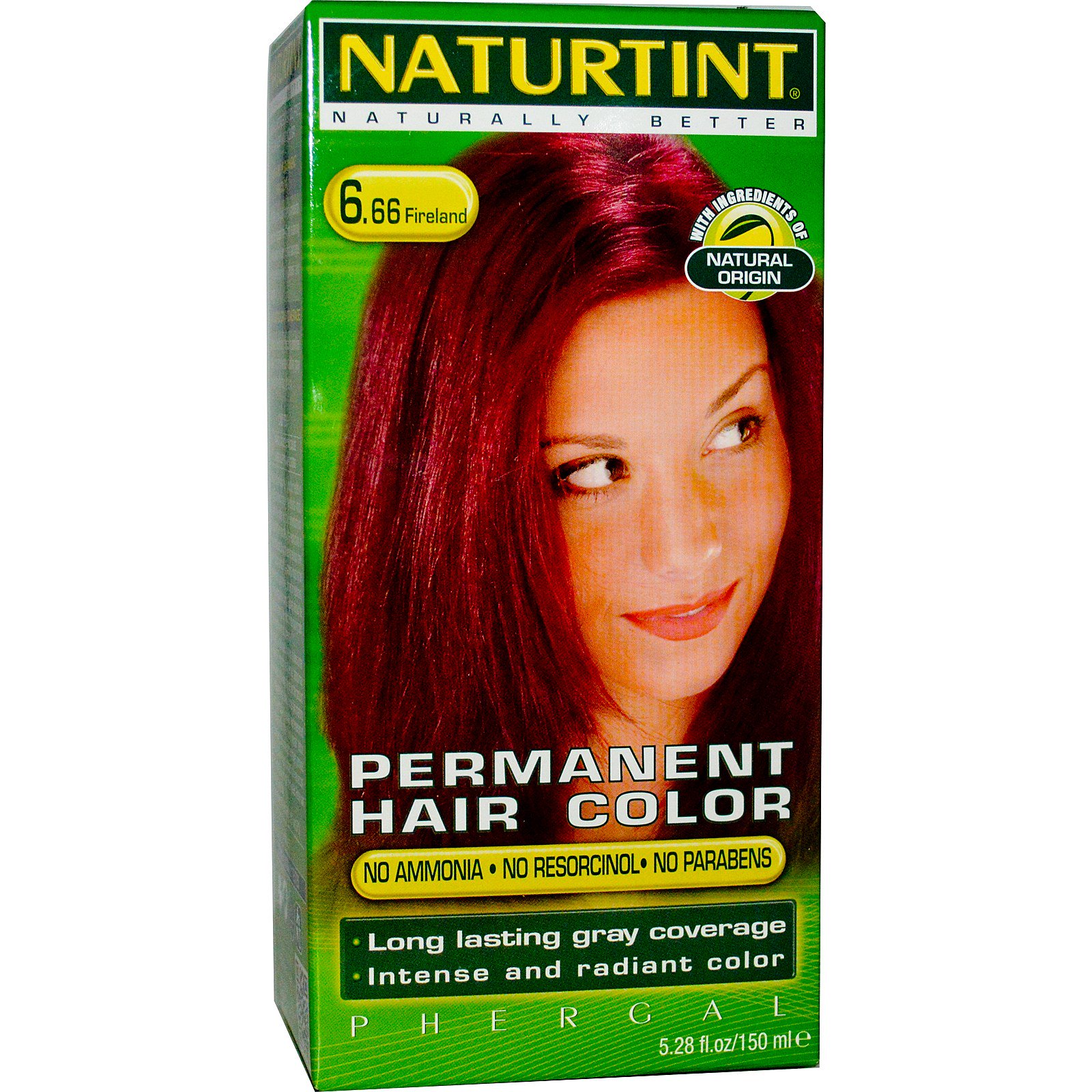
Permanent Hair Colours

Table Of Content Neutralises unwanted tones Real People. Genuine Results. Do you have any questions about Naturtint? We will answer the most...